What Is Functional T Shirt and Inner Wear?

Functional T Shirt and Inner Wear are designed to do more than cover the body. They manage moisture, temperature, movement, odor, and skin comfort during daily activities or exercise. A well-made Function T-shirt & Inner Wear may use polyester, nylon, merino wool, elastane, or blended fibers. Each material creates a different experience. Polyester dries quickly, while merino wool can feel warmer and reduce odor. Elastane adds stretch for cycling, hiking, training, or long work shifts.

Dr. Seshadri Ramkumar, a textile scientist and professor at Texas Tech University, has said, “Textiles are the second skin of humans.” This idea explains why fabric choice deserves careful attention. Seams, labels, waistbands, and ventilation panels can affect comfort as much as the fiber itself. From practical experience, a shirt that feels soft indoors may become heavy after absorbing sweat outdoors. That detail is easy to miss.

Not every “functional” garment performs equally well. Some products promise cooling, antibacterial protection, or superior durability without clear testing evidence. Buyers should examine fiber content, construction, care instructions, and independent performance claims. Fit matters too. A tight base layer may support movement, but excessive compression can become distracting. A loose inner layer may breathe better, yet bunch beneath outer clothing.

This guide explores how Function T-shirt & Inner Wear work, where their features help, and where marketing deserves doubt. The category is useful, but not magical. Good design begins with honest performance expectations.
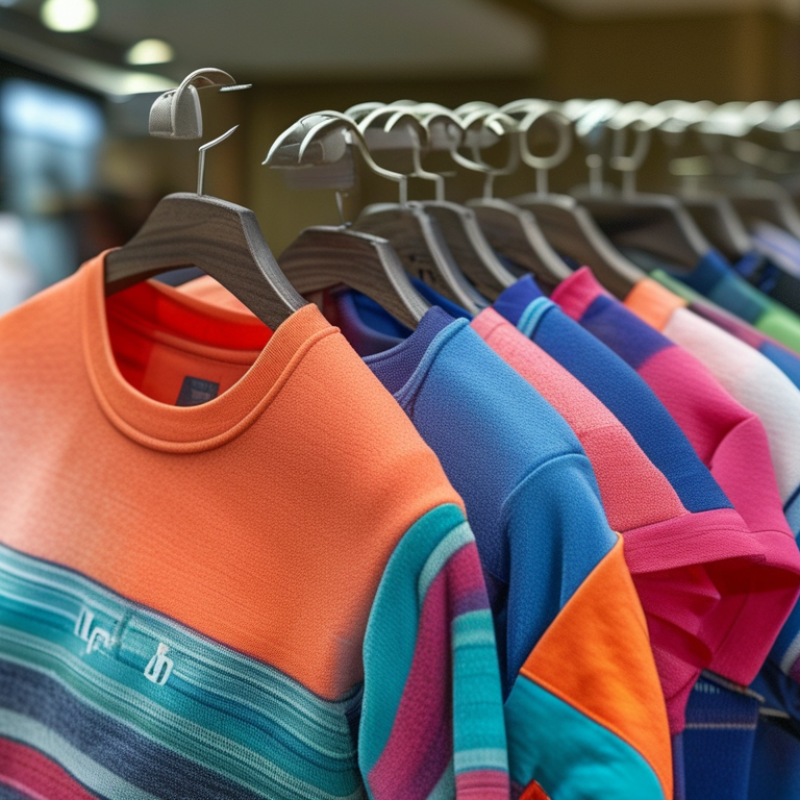
What Is Functional T Shirt and Inner Wear?

Definition and Core Features of Functional T-Shirts and Innerwear

What Is Functional T-Shirt and Inner Wear?

Definition and Core Features of Functional T-Shirts and Innerwear

A functional T-shirt or innerwear piece is designed to support comfort during movement, work, travel, or exercise. Unlike basic clothing, it uses fabric construction for a specific purpose. Common features include moisture management, quick drying, breathability, stretch, and temperature control. Some garments also provide light compression or odor resistance. However, these benefits depend on the fiber blend, knitting method, and garment fit.

The best functional innerwear sits smoothly against the skin without restricting movement. Flat seams can reduce rubbing, while flexible panels may support active areas. A practical evaluation should check how the fabric feels after several hours, not only when it is new. No material performs perfectly in every climate. A shirt that feels cool outdoors may feel damp in humid conditions. That limitation matters.

Tips: Choose fabric according to activity and weather. For intense movement, select breathable materials with reliable moisture control. For daily wear, prioritize softness, easy washing, and shape retention. Check the waistband, sleeve openings, and seams carefully. A tight fit is not always better. Wash the garment as instructed, because high heat may damage elasticity or reduce performance. Even careful testing can miss personal comfort preferences, so real-life wear remains important.

How Functional T-Shirts and Innerwear Work

What Is Functional T Shirt and Inner Wear?

Functional T-shirts and innerwear work by managing heat, sweat, movement, and skin contact. Their performance begins with fiber choice. According to Textile Exchange’s Materials Market Report 2023, polyester represented 54% of global fiber production in 2022. This helps explain its common use in sports clothing. Polyester fibers absorb little water, so sweat can spread across the fabric surface and evaporate faster. The shirt feels lighter during a run.

The structure matters as much as the material. Fine channels move moisture through capillary action. Mesh panels release heat around the underarms and back. Stretch fibers support close-fitting innerwear without severely limiting movement. Some fabrics also use odor-control treatments, but “antimicrobial” does not mean permanently clean. Washing, skin oils, and repeated wear can reduce the effect. That detail is often overlooked.

A useful garment should feel almost unnoticed. Too tight, and it can create pressure marks. Too loose, and sweat stays against the skin. The European Environment Agency has reported that textile use creates significant environmental pressure across production and disposal, so performance claims deserve careful attention. A longer-lasting shirt may be more responsible than a heavily treated one. Still, laboratory drying tests cannot fully copy humid weather, rough movement, or individual sweating patterns. Real comfort remains partly personal.

Main Materials and Technologies Used in Functional Clothing

Functional T-shirts and inner wear are built around material performance, not decoration. Polyester is common because it dries quickly and moves sweat away from the skin. Nylon feels smoother and often offers better abrasion resistance. Elastane adds stretch, helping the garment follow the body during running, cycling, or daily work. Merino wool can regulate warmth and reduce odor, although it may feel delicate for some users. Cotton feels comfortable, but it holds moisture and dries slowly during intense activity.

Manufacturers also use technical construction methods. Mesh panels improve airflow around the back and underarms. Flatlock seams reduce rubbing, especially beneath backpack straps. Seamless knitting can limit pressure points, but it may not suit every body shape. Some fabrics receive odor-control finishes. Their effectiveness can decrease after repeated washing, so permanent claims deserve careful checking. Moisture-wicking is not magic; poor fit can still trap heat. I have found that a slightly loose shirt often feels cooler than a tighter one.

Tips: Check the fiber blend, fabric weight, and care label before buying. Hold the fabric against light to inspect ventilation zones. Stretch the inner wear gently and look for quick recovery. Avoid fabric softener when the label warns against it, because it may reduce moisture movement. Performance clothing still needs personal testing. Comfort varies more than product descriptions suggest.

What Is Functional T-Shirt and Inner Wear?

Functional clothing combines performance fibers with technologies that help manage moisture, temperature, stretch, odor, and skin comfort.

Main Materials and Technologies

Moisture regain describes how much moisture a fiber absorbs from humid air relative to its dry weight. Lower values generally support faster drying, while higher values can improve moisture buffering and comfort.

  • Polyester: Very low moisture regain, making it suitable for quick-drying sportswear.
  • Nylon: Higher moisture regain than polyester and good abrasion resistance.
  • Cotton: Comfortable and absorbent, but it usually dries more slowly during intense activity.
  • Wool: High moisture buffering capacity and natural temperature regulation.
  • Elastane: Added for stretch and close fit, commonly blended with other fibers.
  • Functional technologies: Knitted mesh zones, wicking finishes, hydrophilic treatments, seamless construction, and antimicrobial treatments can improve overall performance.

Types and Common Uses of Functional T-Shirts and Innerwear

What Is Functional T Shirt and Inner Wear?

Types and Common Uses of Functional T-Shirts and Innerwear

Functional T-shirts and innerwear are garments designed to manage comfort during movement. They sit close to the skin and handle sweat, temperature, friction, or light body support. A regular cotton shirt may feel soft, but it can remain damp after exercise. Functional fabric often spreads moisture across its surface for quicker drying. The result depends on fabric quality, construction, fit, and washing habits.

Moisture-wicking T-shirts suit running, gym training, cycling, and physical work. Thermal innerwear helps retain warmth during cold commutes, hiking, or outdoor labor. Compression innerwear provides a close, supportive feel for training and travel, although it should never restrict breathing or circulation. UV-protective shirts are useful for fishing, hiking, and long days outdoors. Some innerwear also uses flat seams to reduce rubbing under uniforms or work trousers. Small details matter.

I once selected a very tight base layer because it looked more supportive. After several hours, the fabric felt uncomfortable around my shoulders. That experience changed my view of “better performance.” A functional garment must match the activity, climate, and wearing time. For daily use, lightweight innerwear with gentle seams may be more practical than heavy compression. Check the care label carefully, because high heat can damage stretch fibers and reduce drying performance. Odor-control claims also require caution; regular washing remains essential.

How to Choose and Care for Functional Base Layers

What Is Functional T-Shirt and Inner Wear?

A functional T-shirt or inner wear acts as a base layer next to your skin. It helps manage sweat, temperature, and friction during work, travel, or exercise. Choose fabric according to your activity. Lightweight synthetic fibers often dry quickly, while merino blends can feel warmer and control odor. Cotton feels soft, but it may stay wet after heavy movement.

Fit matters as much as fabric. The layer should sit close without restricting your shoulders, chest, or waist. Check flat seams around the neck, underarms, and waistband. Rough stitching can cause irritation after several hours. I once chose a very tight base layer, assuming it would perform better. It did not. My movement felt limited, and the damp fabric became uncomfortable.

Keep it clean.

Follow the care label, but inspect the garment too. Wash base layers soon after use, especially when sweat remains in the fibers. Use a mild detergent and avoid excessive softener, which may reduce moisture management. Cold or warm water is usually safer than hot water. Air-dry the garment when possible, away from intense sunlight. High heat can weaken elastic fibers and change the fit. Do not leave wet inner wear in a closed gym bag. That small habit encourages unpleasant odors.

Rotate several pieces if you train frequently. Check for stretched cuffs, thinning fabric, or permanent smell. Those signs suggest the layer is no longer reliable. Choosing by feel alone can be misleading; comfort during the first five minutes does not always predict comfort after three hours.

What Is Functional T-Shirt and Inner Wear? - How to Choose and Care for Functional Base Layers

Comparison Dimension Functional T-Shirt Functional Inner Wear Selection and Care Guidance
Primary Purpose Manages sweat and helps regulate comfort during exercise, travel, work, or outdoor activities. Provides the first layer next to the skin, helping reduce friction, absorb or move moisture, and improve comfort under other garments. Choose according to activity level, weather, layering needs, and the amount of skin contact required.
Typical Materials Polyester or nylon are common for quick drying; elastane is often added for stretch. Merino wool is used when odor control and temperature comfort are priorities. Cotton blends, modal, polyester, nylon, elastane, and merino wool are commonly used, depending on softness, stretch, and moisture requirements. Synthetic fibers generally dry faster than cotton. Natural fibers may feel softer, but the care instructions and drying time should be checked carefully.
Moisture Management Often uses knitted structures that spread sweat across a larger surface area so it can evaporate more quickly. Keeps moisture away from sensitive areas or moves it into the next layer, depending on the fabric and garment construction. For running or high-intensity training, select a lightweight synthetic or merino option rather than a heavy, slow-drying fabric.
Fit and Stretch Usually available in regular, athletic, or close-fitting cuts. Moderate stretch supports movement without restricting the shoulders or chest. Normally closer to the body to reduce bunching and chafing beneath shirts, sweaters, uniforms, or sportswear. The garment should lie smoothly against the body without pinching, rolling, or creating pressure points.
Seams and Construction Flat seams, seamless zones, and offset shoulder seams can reduce rubbing during repeated movement. Bonded edges, flat seams, seamless knitting, and soft waistbands are used to improve next-to-skin comfort. For long-distance activity, inspect the neckline, underarm, waistband, and inner-thigh areas for possible friction points.
Temperature Use Lightweight versions suit warm conditions; medium-weight versions can work as a base layer in mild or cool weather. Thin inner wear is useful for warm-weather comfort, while thermal versions add insulation in cold conditions. A base layer should not be so thick or tight that it prevents the next layer from fitting comfortably.
Odor Control Merino wool naturally resists odor better than many untreated synthetic fabrics. Some garments use separate odor-control treatments. Odor performance depends on fiber type, sweat exposure, drying, and washing. Close skin contact makes regular laundering especially important. Do not assume an odor-control finish lasts permanently; follow the care label and avoid storing the garment damp.
Best Activity Match Running, cycling, hiking, gym training, team sports, commuting, and other activities with moderate or high movement. Daily layering, travel, office wear, cold-weather layering, low-impact exercise, and situations requiring reduced friction. For high sweat output, prioritize breathability and drying speed. For daily wear, prioritize softness, fit, and ease of washing.
Washing Wash according to the care label, preferably with a mild detergent. Turn the garment inside out if it has prints or delicate surface treatments. Wash regularly because it sits directly against the skin. Use a laundry bag for delicate or small garments when appropriate. Avoid fabric softener on many technical fabrics because it may coat fibers and reduce moisture-spreading performance.
Drying Air drying is generally gentle and helps protect stretch fibers, prints, and elastic components. Air dry flat or hang as directed, particularly for wool or delicate stretch fabrics. Avoid high heat unless the care label permits it, because excessive heat can shrink some fibers or weaken elastane.
Replacement Indicators Replace when the fabric permanently loses shape, develops persistent odor after washing, or shows thinning, holes, or damaged seams. Replace when elasticity, support, softness, or coverage has noticeably deteriorated, or when seams and waistbands cause discomfort. Rotating several garments and allowing them to dry fully between uses can help reduce wear and extend service life.

Note: Fabric performance varies with fiber blend, yarn, knitting method, garment fit, finishing treatment, and care routine. Always follow the garment's specific care label.

Close

Raise your Query

Hi! Simply click below and type your query.

Our experts will reply you very soon.

WhatsApp Us