Bankim Nagar, Siliguri, West Bengal
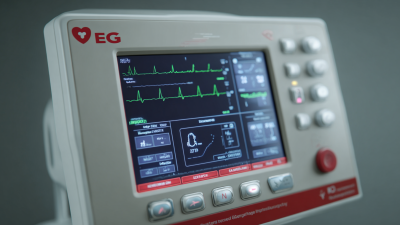
Why choose a Portable Ecg for global healthcare? The answer begins with access. In a rural clinic, a nurse may have only a small examination room, intermittent electricity, and one crowded waiting area. A lightweight ECG device can record heart activity beside the patient, rather than requiring a long journey to a hospital. This can support earlier assessment of chest pain, irregular rhythms, and other cardiac concerns.
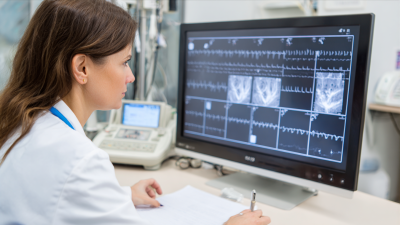
Portable Ecg systems also support practical teamwork. A trained professional can capture a tracing, review signal quality, and share the record with a qualified clinician when specialist support is distant. Modern devices may connect with smartphones or secure digital platforms, but connectivity remains uneven. Offline storage and clear export options therefore matter. So does battery life.
Technology alone is not enough. Reliable global use requires clinical validation, staff training, regular calibration, and careful data protection. Devices should fit local workflows, languages, budgets, and maintenance capacity. A portable ECG cannot replace a physical examination, laboratory testing, or specialist judgment. It is a clinical aid, not a complete diagnosis.
The limits deserve attention. Some recordings contain noise from movement, sweat, or poor electrode placement. A confident-looking trace can still mislead an inexperienced user. For this reason, healthcare organizations should compare device performance, follow professional guidance, and monitor outcomes after deployment. When selected responsibly, Portable Ecg technology can strengthen referral decisions and extend basic cardiac assessment. It may not solve every access problem. However, it can place useful evidence closer to patients, where timely care often begins.
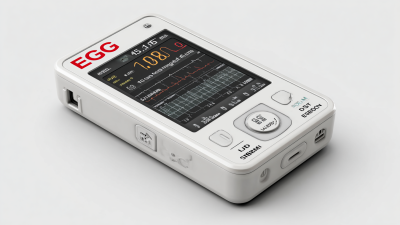
A portable ECG is a compact device that records the heart’s electrical activity outside a hospital. It may fit in a pocket, attach to the chest, or use small electrodes held by both hands. During recording, electrodes detect tiny electrical signals produced by each heartbeat. The device then converts these signals into a waveform on a phone or screen. It is not magic.
A typical recording lasts from 30 seconds to several minutes. Software may measure heart rate and identify possible rhythm irregularities. However, an algorithm can misread movement, poor skin contact, or electrical interference. A dry finger can weaken the signal.
A clinician should review concerning results, especially when symptoms are present. Portable ECGs support assessment, but they do not replace a complete medical examination.
This technology can improve access to basic cardiac monitoring in clinics, ambulances, rural areas, and homes. A health worker might record a patient’s rhythm beside a remote village road, then send the trace securely for professional review. Reliable use requires clear instructions, regular device checks, and appropriate data protection. Training matters more than convenience. Users should note the time, symptoms, activity, and recording quality.
Chest pain, fainting, or severe breathlessness requires urgent medical care, regardless of the ECG result. Portable monitoring is useful, yet its limits deserve honest attention.
Portable ECG devices can bring cardiac screening closer to patients who live far from hospitals. In a rural clinic, a nurse can record a rhythm beside a patient’s bed and share it with a qualified clinician. This matters because cardiovascular diseases cause an estimated 17.9 million deaths yearly, according to the World Health Organization’s 2023 fact sheet. Fast access can support earlier referral, especially when symptoms appear suddenly.
Portable systems also strengthen global healthcare access through telemedicine. The International Telecommunication Union reported that 2.6 billion people remained offline in 2023. Therefore, connected care cannot depend on stable internet alone. Devices should store recordings safely and support delayed transmission. Health workers need practical training, clear referral pathways, and careful patient consent. An ECG is not a complete diagnosis. It can miss intermittent symptoms, poor electrode placement, or conditions requiring other tests.
Tips: Choose devices with clear waveform displays, validated accuracy, offline storage, and secure data handling. Train staff to prepare the skin and position electrodes correctly. Keep paper-based backup procedures. The technology is not flawless. A portable ECG may create false reassurance if nobody reviews the tracing. WHO’s Global Strategy on Digital Health 2020–2025 also stresses governance, workforce readiness, and equitable access. These details can determine whether a small device becomes useful care or unused equipment.
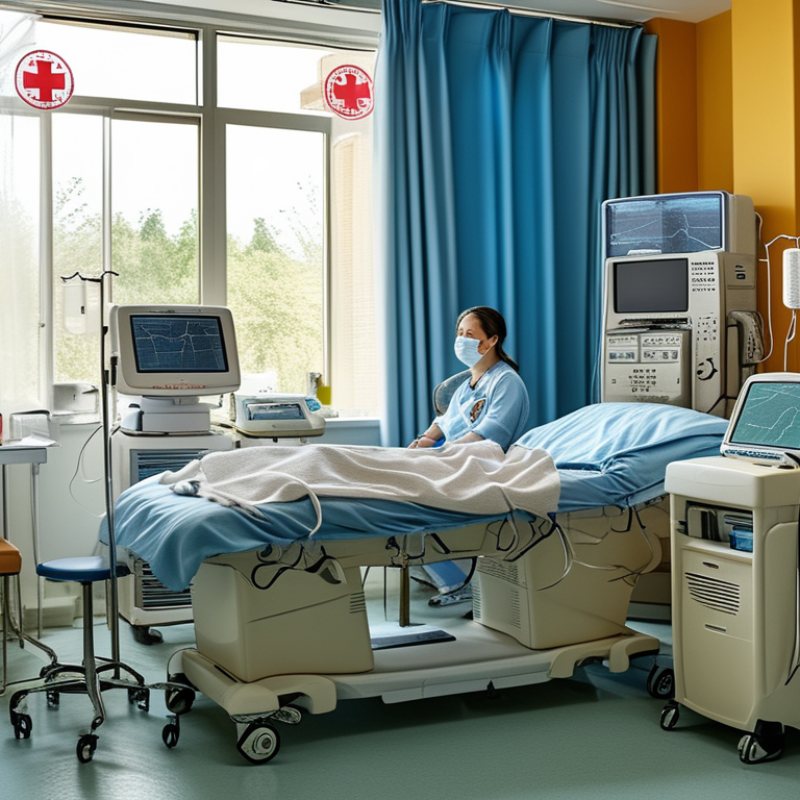
Portable ECGs are used where cardiac assessment must move with the patient. In hospitals, clinicians use them in emergency rooms, outpatient clinics, and wards. A nurse can record a tracing beside a bed, while a physician reviews symptoms, history, and waveform quality. They can support suspected arrhythmia, chest discomfort, fainting, and medication monitoring. The device does not replace clinical judgment. That boundary matters.
Outside hospitals, community nurses use portable ECGs during home visits, elder-care assessments, and rural health campaigns. A quiet room, clean skin, and correct electrode placement improve the recording. In remote areas, trained staff may share results with a supervising clinician through approved clinical systems. This can shorten unnecessary travel, but connectivity is not always reliable. Paper backups and clear escalation pathways remain useful.
Portable ECGs also serve ambulances, workplace health services, rehabilitation programs, and mobile screening teams. Screening should follow local guidance and include informed consent, secure data handling, and referral plans for abnormal findings. Speed helps only when follow-up exists. Some traces are difficult to interpret because of movement, poor contact, or electrical noise. Convenience can create false confidence. Regular training, device checks, and independent clinical review reduce that risk, although they cannot remove it.
| Healthcare Setting | Primary Use of a Portable ECG | Typical ECG Configuration or Recording Pattern | Clinical and Community Value | Important Considerations |
|---|---|---|---|---|
| Primary Care Clinics | Initial assessment of palpitations, chest discomfort, dizziness, syncope, and suspected arrhythmia. | Resting ECG commonly recorded for about 10 seconds; devices may provide 1, 3, 6, or 12 leads depending on the clinical requirement. | Supports rapid triage and helps determine whether referral, additional testing, or urgent treatment is needed. | A portable recording should not replace a full diagnostic evaluation when symptoms are serious or persistent. |
| Emergency and Urgent Care | Rapid rhythm assessment and early identification of potentially serious abnormalities. | Short, on-demand recordings can be obtained at the point of care and repeated when symptoms change. | Reduces delays caused by moving patients to a distant ECG room and supports faster clinical decisions. | Suspected acute coronary syndrome requires appropriate 12-lead assessment and established emergency protocols. |
| Rural and Remote Health Services | Acquisition of ECG data in locations with limited access to cardiology services. | Compact devices can capture digital ECG files for secure transmission to a remote clinician or telemedicine service. | Extends basic cardiac assessment to remote clinics, mobile medical teams, and underserved populations. | Reliable electricity, connectivity, data security, and trained operators are essential for safe remote care. |
| Telemedicine and Virtual Care | Collection of objective cardiac data during a remote consultation. | Single-use or repeated recordings may be performed by a patient, caregiver, nurse, or community health worker. | Combines symptoms with an ECG trace, improving the information available to remote clinicians. | Automated interpretation should be treated as decision support; clinician review remains important. |
| Home Monitoring | Intermittent recording of symptoms such as palpitations or irregular pulse between clinical visits. | Event-based recordings are taken during symptoms; longer monitoring may use continuous or scheduled recording. | May help correlate intermittent symptoms with heart rhythm and reduce unnecessary travel for some follow-up assessments. | Patients need clear instructions on electrode placement, recording quality, symptom logging, and escalation of warning signs. |
| Ambulatory Cardiac Monitoring | Detection of intermittent arrhythmias that may not appear during a short resting ECG. | Holter monitoring commonly records continuously for 24–48 hours; extended event or patch monitoring may last several days to weeks. | Increases the opportunity to capture episodic rhythm disturbances during normal daily activities. | Monitoring duration and device type should match symptom frequency and the clinical question. |
| Community Screening Programs | Risk assessment and referral support for people who may not regularly access medical facilities. | Brief recordings are collected at community centers, workplaces, outreach events, or mobile clinics. | Can improve access to initial screening and identify people who need confirmatory clinical evaluation. | Screening is not the same as diagnosis; abnormal or uncertain results require appropriate follow-up. |
| Maternal and Child Health Services | Assessment of selected cardiac symptoms or suspected rhythm abnormalities when clinically indicated. | Short, targeted recordings may be obtained in outpatient, outreach, or referral settings. | Offers a practical assessment option where conventional ECG infrastructure is limited. | Use must follow age-specific, pregnancy-related, and local clinical guidance; it is not a substitute for specialist care. |
| Cardiac Rehabilitation and Follow-Up | Rhythm checks during scheduled follow-up or symptom review after cardiac treatment. | Repeated spot checks or prescribed monitoring intervals, depending on the patient's condition. | Supports continuity of care and provides additional information between facility-based appointments. | Results should be integrated with medical history, medication review, vital signs, and other investigations. |
| Pre-Transport and Field Medicine | Initial cardiac assessment in ambulances, disaster response areas, sports events, and occupational health settings. | Battery-powered, lightweight devices enable ECG acquisition outside fixed clinical rooms. | Improves portability and can support early communication with receiving facilities. | Devices should be used by trained personnel and incorporated into documented transport or emergency pathways. |
| Population and Public Health Projects | Standardized collection of ECG data for research, epidemiology, or targeted health programs. | Digital recordings can be stored with clinical metadata, subject to consent and governance requirements. | Facilitates scalable data collection across geographically dispersed communities. | Programs require informed consent, privacy protection, quality control, and a plan for managing abnormal findings. |
| Key Selection Factors | Choosing a device that fits the intended clinical and community workflow. | Consider lead configuration, signal quality, battery life, connectivity, file formats, portability, and cleaning requirements. | Matching the device to the use case improves usability, data quality, and continuity across healthcare levels. | Regulatory clearance, interoperability, cybersecurity, operator training, and total operating cost should be assessed. |
Note: Portable ECGs support screening, triage, monitoring, and telemedicine workflows. They do not independently confirm every cardiac diagnosis, and results should be interpreted within the relevant clinical context.
Why Choose a Portable ECG for Global Healthcare?
A portable ECG can bring cardiac screening to rural clinics, ambulances, and crowded outpatient rooms. Accuracy begins with electrode placement. Clean, dry skin improves electrical contact. Correct positioning reduces misleading waveforms. A good trace starts with a calm patient. Motion, sweat, loose cables, and nearby electrical equipment can create artifacts. Sampling rate, calibration, and filtering also affect results. Automated interpretation may assist clinicians, but it should not replace trained review.
Usability depends on more than a small size. A readable screen, simple prompts, and a long-lasting battery support busy healthcare workers. The device should show poor signal quality clearly. Fast is not always better. A rushed workflow can produce avoidable errors. Secure storage and reliable data transfer matter when specialists review results remotely. Local language support, cleaning procedures, and practical staff training are equally important. A technically accurate device may fail in the field if its instructions are confusing.
Independent validation should include different ages, skin conditions, body types, heart rhythms, and working environments. Results should be compared with a trusted reference ECG. Repeat testing helps reveal inconsistent readings. One reading can mislead. I would also examine error logs and user feedback, not only laboratory numbers. Real-world evaluation is often less impressive, but more honest. No portable ECG is perfect, and accuracy claims should state their limits clearly.
Portable ECGs may reshape global cardiac monitoring by moving first-line observation closer to patients. A community nurse can record a rhythm beside a rural clinic, during a home visit, or after a patient reports sudden dizziness. This matters because cardiovascular diseases cause about 17.9 million deaths annually, representing 32% of global deaths, according to the World Health Organization’s 2023 data. More than three quarters occur in low- and middle-income countries, where specialist access remains uneven.
Small devices can support earlier triage, remote review, and repeated measurements over time. A single resting tracing may miss intermittent arrhythmias. Repeated recordings could reveal patterns that a brief hospital visit overlooks. The World Health Organization’s Global Strategy on Digital Health 2020–2025 highlights connected care as a way to improve access, but technology still needs clinical supervision.
Portable ECGs should assist trained professionals, not replace them.
Practical details matter. Sweat, loose electrodes, movement, and electrical noise can distort a tracing within seconds. A patient may also struggle to hold the device correctly. Data protection, maintenance, staff training, and referral pathways require funding. That is the less comfortable part. A portable ECG without reliable interpretation may create anxiety rather than care. Evidence from the European Society of Cardiology’s 2024 digital health guidance supports validated workflows, human oversight, and careful integration into clinical decisions. Progress will depend not only on smaller hardware, but also on trustworthy systems around each recording.
Hi! Simply click below and type your query.
Our experts will reply you very soon.